Just Got in a Car Accident in Oregon? 10 Steps to Protect Your Health and Your Claim
Just got in a car crash in Oregon? Follow this 10-step checklist in the first 72 hours, including: police reports, PIP claims, DMV deadlines, and what not to say.
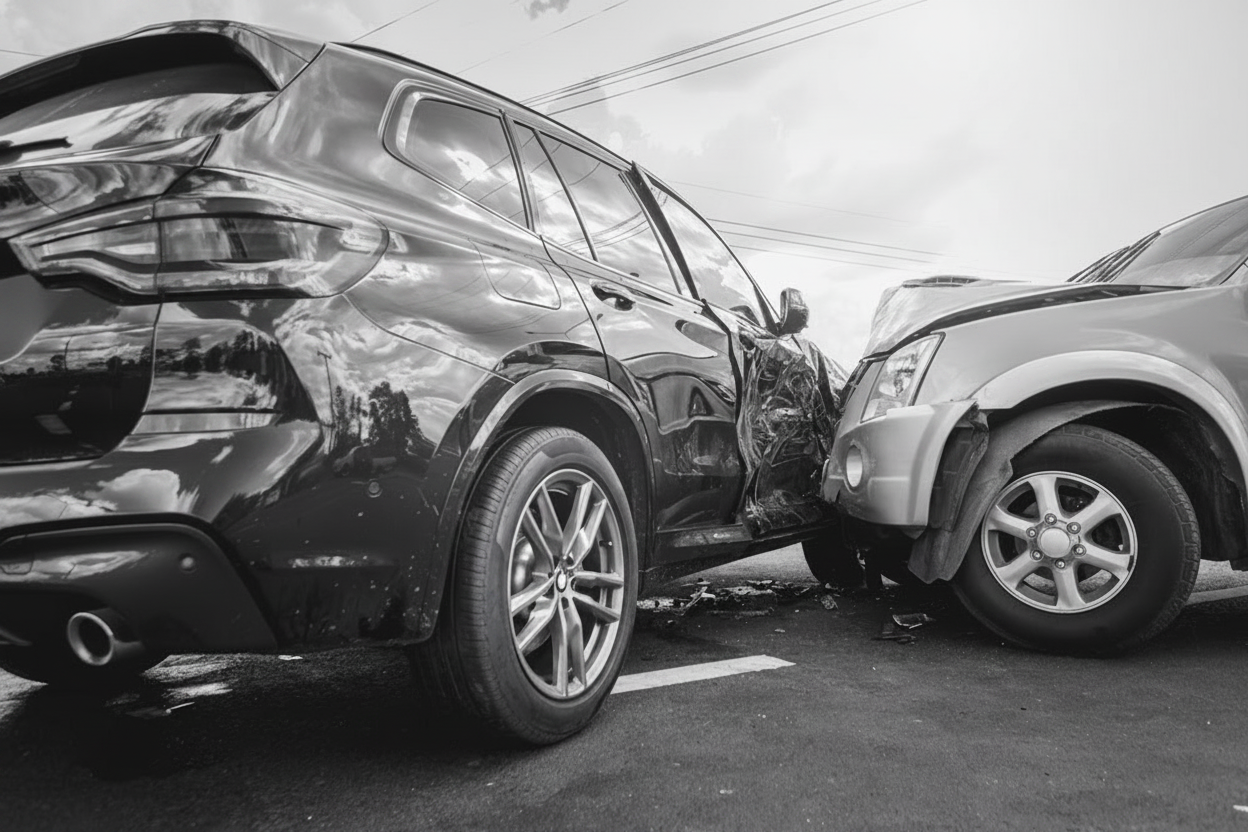
Your heart is pounding. Your hands are shaking. Someone is asking if you're okay, and honestly, you're not sure. Nobody plans for a car crash, so almost nobody knows what to do in the minutes and days after one. Here's what most people don't realize: the first 24 to 72 hours after an auto collision shape two things at once, your physical recovery and the value of your insurance claim. Insurance adjusters know this window well, and some of their playbook depends on you not knowing it.
This is a chronological, Oregon-specific checklist of what to do after a car accident in Oregon, built from what our team at Larwick Injury Law sees go wrong in real Eugene-area cases. Follow it in order, and you'll close the doors insurers hope you leave open.
At the Scene (The First Hour)
Step 1: Get Safe and Call 911
If your car is drivable, move it out of traffic, turn on your hazards, and check on everyone involved. Then call 911, even if the crash seems minor. Some people skip this step because nobody appears hurt or because the other driver suggests "handling it privately." That's almost always a mistake.
A police report is neutral, third-party documentation of what happened, who was there, and what the scene looked like. Without one, a fault dispute often comes down to your word against theirs, and the other driver's story has a way of changing once an adjuster gets involved. The report won't decide your claim by itself, but it's the foundation everything else gets built on.
Step 2: Say Less Than You Think You Should
This step surprises people. Politeness is instinct, and "I'm so sorry" slips out even when the crash wasn't your fault. Resist it. Under ORS 31.600, Oregon follows a modified comparative fault rule. Your compensation is reduced by your percentage of fault, and if you're found more than 50% at fault, you recover nothing at all. Adjusters comb through scene statements looking for anything that nudges your fault percentage upward, and an apology reads like an admission.
At the scene, exchange only the essentials:
- Names and contact information
- Driver's license numbers
- Insurance companies and policy numbers
- License plate numbers and vehicle descriptions
Discuss fault with the police officer and no one else. Not the other driver, not bystanders, and definitely not the other driver's insurance company.
Step 3: Document Everything Like Your Claim Depends on It (It Does)
Your phone is the best evidence tool you own. If you're physically able, photograph:
- All vehicles, from multiple angles, close-up and wide
- Skid marks, debris, and fluid on the road
- Traffic signals, signs, and lane markings
- Weather, lighting, and road conditions
- Your visible injuries
Then get names and phone numbers from witnesses before they drive away. Officers don't always collect witness information, and a neutral witness can settle a fault dispute that would otherwise drag on for months.
What if I'm too hurt to gather evidence? Your health comes first, full stop. A car accident injury attorney can later obtain scene photos, 911 audio, police body-cam footage, and nearby traffic or business camera footage, often before it's overwritten.
The First 24 Hours
Step 4: Get Medical Care Even If You "Feel Fine"
Adrenaline is a powerful painkiller. Whiplash, concussions, soft-tissue damage, and even internal injuries frequently don't announce themselves until 24 to 72 hours after a crash. That's biology, but insurers treat it as a negotiating tool. Their favorite argument is the "gap in treatment": if you waited a week to see a doctor, you must not have been really hurt. Same-day or next-day medical care closes that door and creates a medical record tying your injuries to the crash.
Here's the good news for Oregonians: you don't need to delay care over cost fears, because your own auto policy pays these bills regardless of who caused the crash. That brings us to Step 5.
Step 5: Open Your PIP Claim
Oregon is one of a minority of states that requires Personal Injury Protection (PIP) on every auto insurance policy. Under ORS 742.520, your policy includes at least $15,000 in medical benefits per person, generally covering treatment for up to two years after the crash under ORS 742.524, plus a portion of lost wages if your injuries keep you out of work.
Three things people get wrong about PIP:
- It's no-fault. PIP pays even if the crash was partly or entirely your fault.
- It's your own policy. You don't wait on the other driver's insurer to accept liability before your medical bills get paid.
- Using it isn't an admission of anything. Filing a PIP claim doesn't mean you caused the accident.
The mistake insurers quietly benefit from is when injured people never open a PIP claim at all. Medical bills pile up, collections calls start, and financial pressure pushes people toward a fast, cheap settlement. Don't let unpaid bills negotiate for the other side.
Step 6: Report the Crash to Oregon DMV
Under ORS 811.720, you must file an Oregon Traffic Accident and Insurance Report with the DMV within 72 hours if the crash caused injury or death, damage over $2,500 to any vehicle, or any vehicle to be towed. This applies even when police responded, because the officer's report doesn't replace your DMV filing.
Missing this deadline can result in a suspended license, and it hands the other insurer an easy talking point about your credibility. The form takes minutes. File it.
The First Week
Step 7: Notify Your Insurer, But Don't Give the Other Side a Recorded Statement
Your own policy requires prompt notice of the crash, so make that call. But when the at-fault driver's insurance company calls asking for a recorded statement, know this: you have no legal obligation to give one.
Recorded statements exist to create evidence against you. Innocent, polite phrases like "I'm feeling better" or "I didn't even see him coming" get pulled out of context months later to argue your injuries were minor or the crash was your fault. This first week is when most people start searching for a “car crash lawyer near me”, and that instinct is a good one. A quick consultation before any recorded statement costs nothing, and it can save a claim.
Step 8: Start a Recovery File
Keep one folder, physical or on your phone, containing:
- Medical records, bills, and pharmacy receipts
- Mileage to and from appointments
- Documentation of missed work and lost income
- Repair estimates and photos of vehicle damage
- A daily pain and symptom journal
The journal matters more than people expect. Six months from now, nobody remembers exactly how bad week two was. Contemporaneous notes beat memory every time, and both adjusters and juries know it.
Step 9: Don't Sign, Settle, or Post
Early settlement offers tend to arrive before you know the full extent of your injuries, and that timing isn't an accident. Signing a release ends your claim permanently, even if you need surgery three months later. Along the same lines, don't sign broad medical authorizations giving the other insurer access to your entire medical history. They're fishing for pre-existing conditions to blame your symptoms on.
And go quiet on social media. One smiling photo from a family hike becomes "evidence" that you weren't really hurt, regardless of how much that outing cost you in pain afterward.
Step 10: Know Your Deadline and Get Your Questions Answered
Under ORS 12.110, you generally have two years from the date of the crash to file a personal injury lawsuit in Oregon. If a government vehicle or public road defect is involved, a tort claim notice may be due in as little as 180 days.
Two years sounds like plenty of time. Building a strong claim isn't a two-year project you can start at month 23, though. Camera footage gets overwritten in weeks, witnesses move, and vehicles get repaired or scrapped. Most car accident injury lawyers, including Larwick Injury Law, offer free consultations and work on contingency, meaning you pay nothing unless you recover.
Oregon car accident deadlines at a glance:
FAQs: What Oregon Drivers Ask After a Crash
Do I need a car accident injury attorney for a minor crash?
Not always. If there are no injuries and fault is undisputed, you may resolve things directly with the insurers. But "minor" crashes with lingering symptoms, disputed fault, or a lowball offer are exactly the situations where a free consultation pays for itself.
How much does a car crash attorney cost in Oregon?
Most work on contingency: no hourly fees, no retainer, and the attorney is paid a percentage of your recovery only if you win or settle. The consultation itself is typically free.
What if the other driver is uninsured?
You're more protected than you might think. Under ORS 742.502, every Oregon auto policy must include uninsured motorist coverage, and most include underinsured motorist coverage as well. A car accident attorney can review your policy and confirm exactly what UM/UIM benefits you're carrying.
What if I was partly at fault?
Partial fault reduces your recovery, but it doesn't eliminate it. Under ORS 31.600, you can still recover as long as you weren't more than 50% responsible. Don't assume you have no claim just because an adjuster says you share blame.
How long will my claim take?
Straightforward claims can resolve in a few months; serious-injury or disputed-fault cases can take a year or more, especially if a lawsuit is filed. Rushing benefits the insurer, not you, because a claim settled before your medical picture is complete is almost always settled for too little.
Talk to a Eugene Car Accident Injury Lawyer Before You Talk to Their Adjuster
Every step above closes a door that insurers hope stays open: the missing police report, the treatment gap, the recorded statement, the too-early settlement. You don't have to navigate any of it alone.
Larwick Injury Law has served clients in Eugene and Springfield, the Willamette Valley, and all across Oregon since 2016. Derek Larwick is a trial attorney, not a settlement mill, and every case starts with a free, no-pressure case review. Contact us today or call to talk through your options.
About the author: Derek Larwick is the owner and trial attorney at Larwick Injury Law, which he founded in Eugene, Oregon in September 2016. He represents injured people across Oregon in auto collision and other personal injury cases. Connect with Larwick Injury Law or learn more about the firm.
This article is for general informational purposes only and isn't legal advice. Reading it doesn't create an attorney-client relationship. For advice about your specific situation, contact a licensed Oregon attorney. Legally reviewed: September, 2026
Think you might have a case?
It’s free to find out.
Your best case scenario.